PTSD & Complex Trauma
Trauma can leave invisible marks – whether from one defining event or years of accumulated hurt. Feeling overwhelmed, disconnected, or caught in painful patterns? You’re not alone.
What is PTSD & Complex Trauma?
Trauma isn’t always one clear moment in time. PTSD may stem from a single overwhelming event, while complex trauma develops through ongoing stress or neglect—often in childhood.
Both can shape how you feel, think, and relate to others, even long after the experiences themselves. You may not always connect your current struggles with the past, but your nervous system remembers.
“Awareness is the first step toward Change. Therapy helps you move beyond the struggles of your past. To feel safe in the present”

Common Symptoms
-

Flashbacks or intrusive memories
-

Persistent anxiety or tension
-

Emotional numbness or shutdown
-

Relationship difficulties or trust issues
-

Triggers you can’t always explain
-

Disconnection from your body or emotions
-

Shame, guilt, or self-blame
-

Feeling unsafe even in safe environments
Healing after Trauma
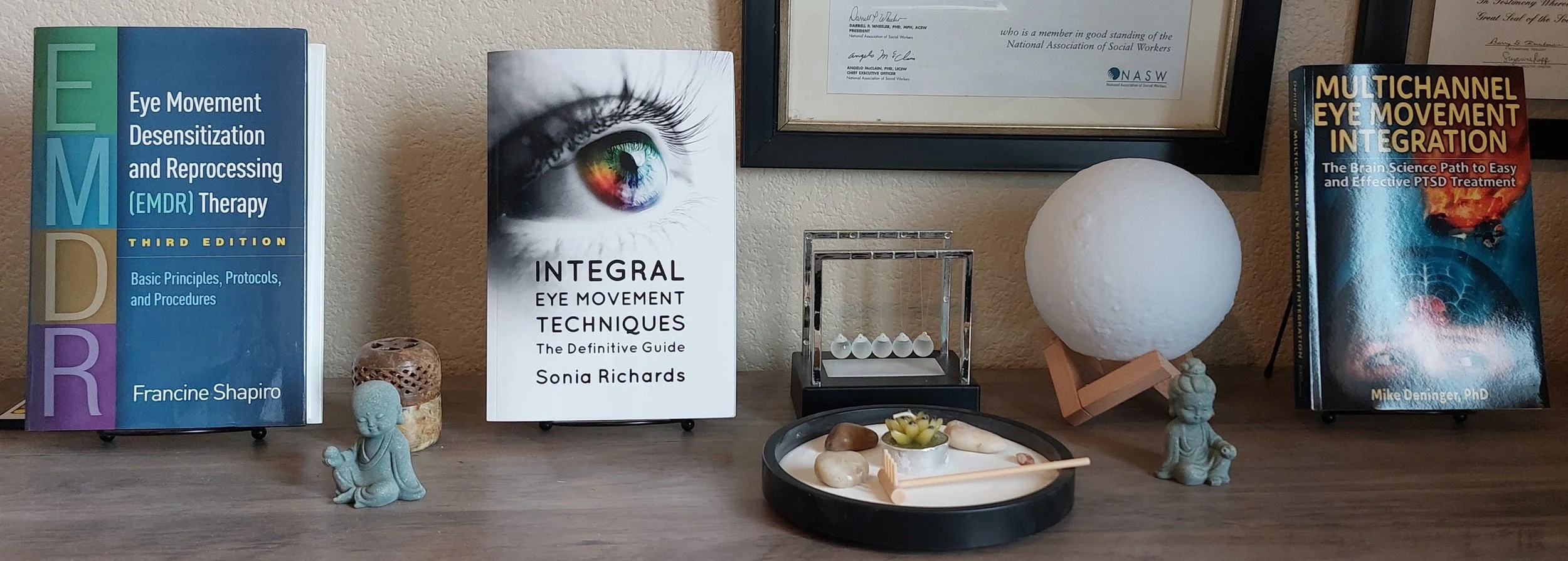
Trauma-informed therapy creates a safe space to rebuild inner trust. For PTSD, approaches like EMDR, CBT, DBT, or mindfulness-based methods may help.
Complex trauma, however, often needs a gentler path—starting with stabilization, emotional regulation, resourcing, and working with internal parts. Healing is never linear, but it’s possible.


You don’t have to carry this alone.
Let’s explore your path to healing.
It’s okay to ask for help. If you’re ready to explore therapy—or even if you’re just curious—contact us today. Let’s talk about what you need and how we can support you.