
Integrated Behavioral health care.
Traditional healthcare often treats the mind and the body as separate islands. At Mountain Valley Behavioral Health, we bridge that gap.
Integrated Behavioral Healthcare is grounded in a simple truth: your physical health, mental clarity, and inner spirit are part of a single, interconnected ecosystem. When we honor all three, healing shifts from a temporary fix to a sustainable way of life.
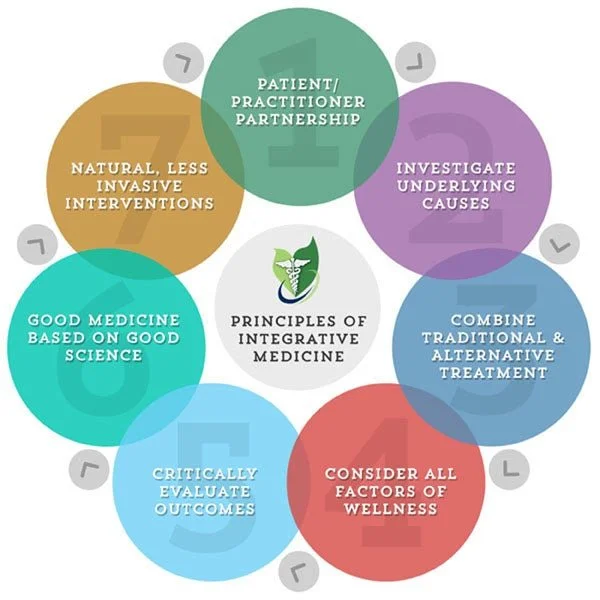
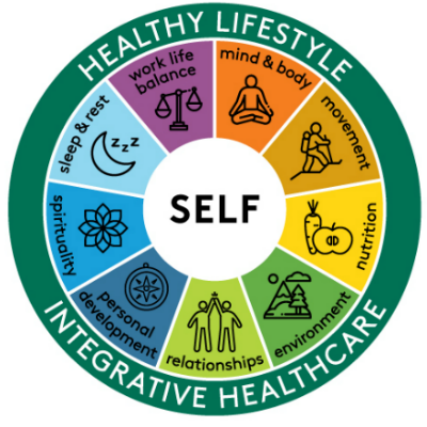
Integrated behavioral healthcare is a whole-person approach that recognizes mental, physical, and emotional health as deeply interconnected. Rather than treating symptoms in isolation, it addresses how stress, trauma, chronic illness, relationships, and lifestyle patterns shape overall well-being. By integrating behavioral health with primary care, this approach creates a coordinated path toward sustainable healing, resilience, and improved quality of life.
The Mind: Restoring Clarity
Mental wellness is about insight, balance, and emotional resilience, not just symptom relief. Through trauma-informed, evidence-based care, we help individuals understand and change patterns related to anxiety, depression, stress, addiction, and behavior. As distress decreases, thinking shifts from survival mode to clarity, growth, and healthier coping.
The Body: Supporting Physical Wellness
Physical and emotional health are closely linked. Stress, trauma, and behavioral patterns often contribute to chronic pain, fatigue, sleep problems, and conditions such as hypertension and diabetes. Integrated care supports nervous system regulation and healthier behaviors, helping the body move toward stability, safety, and restoration.
The Spirit: Reconnecting with Purpose
Healing also involves reconnecting with meaning, identity, values, and relationships. By addressing relational wounds, systemic stressors, and personal barriers, we help individuals build purpose, connection, and direction in life.
Whole-Person Support
Integrated behavioral healthcare supports concerns such as:
Depression, anxiety, trauma, and stress
Grief, anger, and relationship challenges
Substance use and addiction
Chronic medical and co-occurring conditions
Sleep, pain, and lifestyle-related health concerns
Behavior changes related to exercise, nutrition, relaxation, and medication adherence
This model emphasizes collaboration among behavioral health providers, medical teams, families, and support systems to ensure that care is aligned and coordinated. By integrating mind, body, and spirit, it lays a foundation for lasting wellness, healthier living, and meaningful growth.
“Awareness is the first step toward Change. Integrated Behavioral Health. Where mental, physical, and emotional treatment intersects”
Why Integrated Behavioral Health Matters
-
Root-Cause Healing: we target the "why," not just the surface symptoms
-
A Unified Journey: Synchronized care so every part of your wellness in in sync
-
The Human Element: You are a whole person, not a collection of clinical labels
-
Proactive Prevention: Catching small shifts before they become major crisis
-
Nervous System Mastery: Bridging the gap between mental tools and physical safety
-
Collaborative Efficency: A streamlined experience that respects your health and wellness
At Mountain Valley Behavioral Health, the integrated behavioral healthcare model guides a whole-person approach to treatment that brings together mental health, physical health, and lifestyle change into a single, coordinated system of care.
Rather than treating symptoms in isolation, care is trauma-informed and evidence-based, focusing on the underlying connections among anxiety, depression, addiction, stress, and behavioral patterns. Treatment also addresses how emotional health affects physical conditions such as chronic pain, sleep disturbances, hypertension, diabetes, and other stress-related concerns.
A core emphasis is on practical, sustainable behavior change to support improvements in coping skills, emotional regulation, sleep, nutrition, physical activity, and, when applicable, substance use. Care is often coordinated with medical providers, families, and support systems to ensure alignment across all areas of treatment.
By integrating mind, body, and daily functioning, this model helps individuals move from survival-based coping to stability, resilience, and long-term wellness, supporting meaningful, lasting recovery.
Integrated Behavioral Health

You don't have to keep adapting to fit the world. Let's find what fits you.
It’s okay to ask for help. If you’re ready to explore therapy—or even if you’re just curious—contact us today. Let’s talk about what you need and how we can support you.